
The Bucketts Trip
My 14th March 2026 trip to the Bucketts Mountains at Gloucester.
BUSHWALKING AND CAMPING
Kevin
7/12/20266 min read
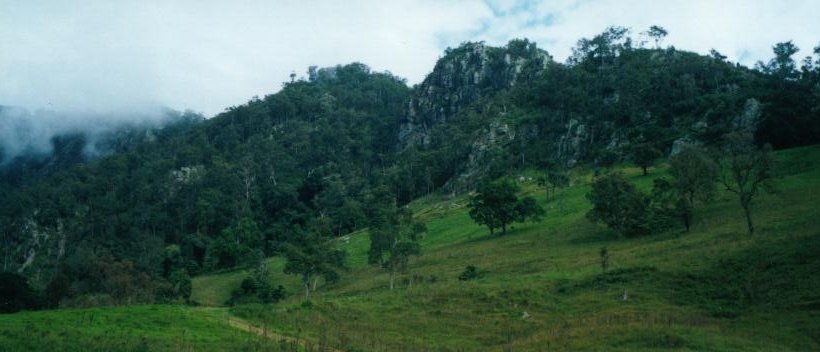
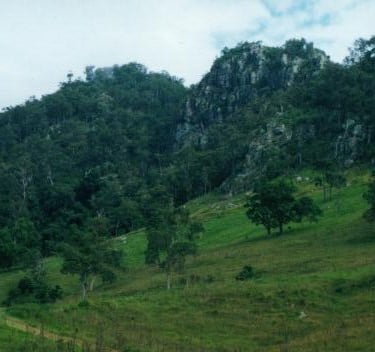
The trip to the Bucketts Mountains, on the outskirts of Gloucester in New South Wales, finally happened on Saturday, 14 March 2026. It was supposed to happen a week earlier, but my body staged a minor rebellion and I was forced to postpone.
This wasn’t just any weekend stroll. This was my first proper bushwalk since the double-whammy of the 2019 bushfires and a particularly nasty bout of COVID—the kind that actively tried to clear me off the mortal coil. Needless to say, I was more than ready to lace up the boots, leave the couch behind, and get back into the Australian bush.
Below is the game plan and the ecological field notes I prepared before setting out.
1 The Pre-Trip Plan
1.1 The Timetable
Pre-Departure: Check camera and video gear, charge an army of batteries, and download maps/info onto the phone.
5:30 am: Leave home for the Bucketts.
7:00–7:30 am: Begin the Bucketts Scenic Walk.
Post-Walk: Visit Mum (and hopefully still be able to walk by the time I get there).
1.2 The Packing List
Bushwalking boots
Insect protection
Water
Wide-brim hat
Garters
Walking poles
Camera and video gear
2 Field Notes: The Ultimate Cheat Sheet
The Bucketts region is a fascinating ecological "tension zone" where the dry sclerophyll of the western slopes collides with the lush, high-rainfall rainforests of the Barrington Tops. The range itself is defined by its unique rhyolite and limestone geology, flanked by the riparian corridors of the Gloucester and Avon Rivers.
Here is what I was keeping an eye out for:
2.1 Flora: From Valley Floor to Skeletal Ridge
2.1.1 Trees (The Canopy Layer)
Tallowwood (Eucalyptus microcorys): A large forest tree found on the fertile lower slopes. Recognisable by its fibrous, orange-brown "hairy" bark. It is a primary food source for local koalas.
Spotted Gum (Corymbia maculata): Dominating the mid-slopes of the Bucketts Way corridor, these are famous for their mottled grey and cream bark. They provide crucial nectar for migratory honeyeaters.
Forest Red Gum (Eucalyptus tereticornis): Found near the river flats, boasting smooth, patchy bark. These are critical hollow-bearing trees that provide nesting sites for owls and cockatoos.
Grey Gum (Eucalyptus punctata): Features dull grey bark that sheds in bright orange patches. It serves as an important secondary koala food source.
2.1.2 Shrubs and Understorey
Native Guava / Bolwarra (Eupomatia laurina): An ancient, "primitive" flowering plant lurking in the damp gullies at the base of the range. Features glossy leaves and highly fragrant, cream-coloured flowers.
Coffee Bush (Breynia oblongifolia): A small pioneer shrub with alternate, rounded leaves that serves as a buffet for various native butterfly larvae.
Grass Tree (Xanthorrhoea johnsonii): Architectural plants with needle-like leaves and tall flower spikes. Significant to the Gathang people for resin and nectar, many of these specimens on the ridges are over 150 years old.
2.1.3 Groundcovers, Ferns, and Orchids
Rock Lily (Thelychiton speciosus): A lithophytic orchid that grows directly onto the bare rhyolite cliff faces. It produces massed sprays of fragrant yellow and white flowers in late winter and early spring.
Giant Maidenhair Fern (Adiantum formosum): Tucked away in the moist, shaded southern folds of the range. Its black stems and delicate green fronds are an indicator of a healthy, undisturbed rainforest pocket.
Kangaroo Grass (Themeda triandra): The dominant native grass on the drier slopes, sporting rusty-red seed heads that feed finches and shelter ground-dwelling reptiles.
2.2 Fauna: The Wildlife Stepping Stone
The Bucketts Range acts as a vital habitat corridor for wildlife moving between the coast and the Barrington Tops.
2.2.1 Mammals
Brush-tailed Rock-wallaby (Petrogale penicillata) – Endangered (NSW): Incredibly agile wallabies with a thick, dark tail and a white cheek stripe. They hide out in the inaccessible rocky outcrops and caves.
Koala (Phascolarctos cinereus) – Endangered (Federal/NSW): Sightings are rare due to low density, but the Bucketts Way is a recognised link for them as they move through the Tallowwood and Grey Gum forests.
Squirrel Glider (Petaurus norfolcensis) – Vulnerable (NSW): A nocturnal marsupial larger than a sugar glider. They require the hollows of old-growth gums on the slopes for nesting.
Platypus (Ornithorhynchus anatinus): Frequently observed in the quiet pools of the adjacent Gloucester and Barrington Rivers at dawn and dusk.
2.2.2 Reptiles and Amphibians
Lace Monitor / Goanna (Varanus varius): A massive arboreal lizard (up to 2 metres long) with dark scales and yellow-white bands. Often seen foraging around the cliff bases for carrion and bird eggs.
Eastern Water Dragon (Intellagama lesueurii): A robust, semi-aquatic, and highly territorial lizard found near water sources at the base of the walk. Noted for the distinctive black stripe behind its eye.
Tusked Frog (Adelotus brevis) – Vulnerable (NSW): Found in the leaf litter of damp gullies. The males possess unique "tusks" on their lower jaw used for territorial brawling.
2.3 Birds: Ornithological Highlights
As part of the Barrington Tops & Gloucester Tops Important Bird Area (IBA), the region hosts over 200 recorded bird species.
2.3.1 Birds of Prey
Wedge-tailed Eagle (Aquila audax): Australia’s largest raptor, using the thermal updrafts from the heat-absorbing rocks to soar over the valley.
Peregrine Falcon (Falco peregrinus): Fast-flying hunters that nest on high cliff ledges. Look for their distinct "anchor" shape when diving.
2.3.2 Forest Specialists
Wompoo Fruit-Dove (Ptilinopus magnificus) – Vulnerable (NSW): A stunning green, purple, and yellow dove found in rainforest pockets. Its call is a deep, resonant "wallock-a-woo".
Superb Lyrebird (Menura novaehollandiae): The world’s greatest mimic, common in the damp, fern-filled gullies. They leave large patches of scratched-over leaf litter in their wake.
Paradise Riflebird (Ptiloris paradiseus): A member of the Birds of Paradise family. The males are a velvety black with iridescent blue patches, often seen spiralling up rainforest tree trunks.
2.3.3 Commonly Observed
Yellow-tailed Black-Cockatoo (Zanda funerea): Large, soot-black birds with bright yellow tail bands, often seen in small flocks chewing through Banksia and Hakea seeds.
Eastern Spinebill (Acanthorhynchus tenuirostris): A small honeyeater with a long, curved beak, frequenting the flowering heath on the ridge.
Regent Bowerbird (Sericulus chrysocephalus): The male’s brilliant gold and black plumage is impossible to miss around the fruiting figs at the base of the range.
3 On-the-Day Reflections
Writing this some four months after the fact means I am relying entirely on memory. I should have recorded these thoughts sooner, but life, as usual, got in the way. Here is what I recall from the day.
The weather leading up to the trip had been incredibly wet, and it was raining on the morning of the walk. Fortunately, by the time I pulled up to Gloucester, the skies had cleared over the Bucketts. The trail, however, had not received the memo; it was highly saturated, featuring a generous number of wet spots and sections of thick, heavy mud.
The track up the mountain wastes no time getting steep. Given that my lungs and legs hadn't seen an incline since before the pandemic, I found it incredibly tough going. That said, I made surprisingly good progress. At one point, I actually overtook a small group of walkers. Granted, they were older than me, and I was still technically recovering from an illness, but I took the ego boost wherever I could get it.
The walk itself was thoroughly enjoyable. I spent about four hours roaming across the mountain, examining the flora and tracking whatever little fauna crossed my path. The photos I captured give a decent indication of what the mountain had to offer.
The video footage, on the other hand, was an absolute disaster. "Rubbish" is probably too kind a word—the quality from my video camera was so poor it's completely unusable. I will definitely need a new strategy for video gear before the next outing.
While the scenery was a triumph, those four hours on the trail took a massive toll on my legs. By the time I staggered back to the end of the walk, I was in genuine pain and actively struggling to put one foot in front of the other. The next few days were far worse, and it took a full week for the ache to leave my muscles entirely.
Clearly, my post-COVID fitness levels require some serious work. But despite the agony that followed, I was incredibly glad I did it. It felt good to finally be back where I belong: out in the bush.
4 Post-Trip Reflection
The Good: Reclaiming my boots, conquering the steep terrain, and proving I could still get up the mountain.
The Bad: My video camera producing what can only be described as utter rubbish.
The Lesson: A week of muscle soreness is a fair price to pay for getting back into the bush—but I need to start training before the next ridge line calls.
5 Photos
Visit my Flickr Album for photos from the day:
Bucketts Scenic Walk - 14 March 2026
ABOVE: The Bucketts from a previous visit
Updated: 12 JULY 2026
Return to the Ridge: A Post-COVID Reclamation of the Bucketts Mountains
Connect
Stay updated with my online activities.
CONTACT
NEWSLETTER:
Email Me via the Link Below:
© 2025. All rights reserved.